 Tiraz
Types of Arabic Calligraphy, and When to Use Each One
Arabic calligraphy has many scripts, each with its own shape, rules, and uses. This article introduces the main types of Arabic script by name, shows each one in Tiraz's real fonts, and explains when to choose it for an invitation, a card, or a post.
How many Arabic scripts are there?
Calligraphers speak of seven main Arabic scripts: Naskh, Thuluth, Ruqaa, Diwani, Kufic, Nastaliq, and Maghribi. Each has branches, such as Diwani Jali from Diwani and square Kufic from Kufic. Alongside them came modern Arabic typefaces, designed for screens and everyday print.
- Naskh: clear and legible, for long text, verses, and books.
- Thuluth: the most majestic and ornate, for headlines, panels, and the Basmala.
- Ruqaa: quick and simple, the script of everyday handwriting.
- Diwani: flowing and interlaced, for wedding invitations and certificates.
- Kufic: geometric with sharp angles, for logos and bold headlines.
- Nastaliq: slanted and graceful, also called the “Persian script,” for poetry and quotes.
- Maghribi: the script of North Africa and Andalusia, with wide curves and a classic feel.
Arabic calligraphy is an art in its own right; in 2021 UNESCO inscribed it on the Representative List of the Intangible Cultural Heritage of Humanity. It is learned step by step from a master calligrapher, who grants the student an ijaza (a license) once the script is mastered.
Below is each script with examples from the Tiraz library; every card opens the font's page with its letters and weights.
Naskh
Naskh is the clearest and most widespread Arabic script; mushafs, books, and newspapers are printed in it. Its letters are balanced and carry full diacritics, so it is the first choice for verses, hadith, and long paragraphs. The vizier Ibn Muqla, in the tenth century, is credited with the rules of “proportioned script” that measure each letter in dots, later refined by Ibn al-Bawwab.
Browse every Naskh font, including the Quran fonts for verses in the Hafs or Warsh reading.
Thuluth
Calligraphers call it “the mother of scripts,” and most consider it the hardest to master and the most beautiful to compose. Its large, supple letters interlace and stack, so it appears on mosque walls, in framed panels, and on book titles. In design it suits the Basmala and a large headline at the top of an invitation, not long text, because it needs room.
The Thuluth fonts in Tiraz are tested for kashida letter by letter, so a word stretches at its joint the way a calligrapher would stretch it.
Ruqaa
Ruqaa is the simplest and quickest Arabic script, and the one most people write by hand. Its letters are short and lightly decorated and sit on the line without stacking; its rules settled in the Ottoman era. It suits a short phrase and a handwritten touch, such as a thank-you line or a caption on a photo.
Browse every Ruqaa font.
Diwani
Diwani was born in the chanceries (divans) of the Ottoman state for decrees and official letters, hence its name. Its curved, interlaced letters rise toward the end of the line, so the text reads as a single piece. Diwani Jali fills the gaps between letters with dots and ornaments until the text becomes one solid block.
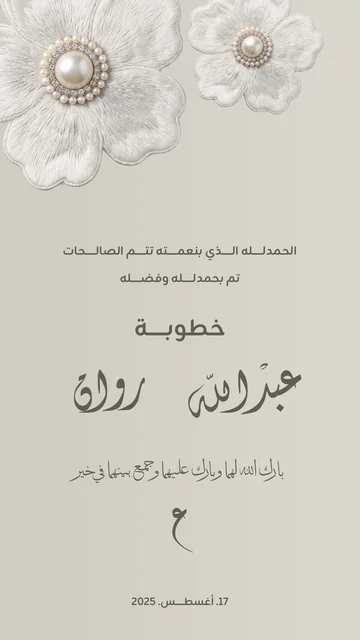
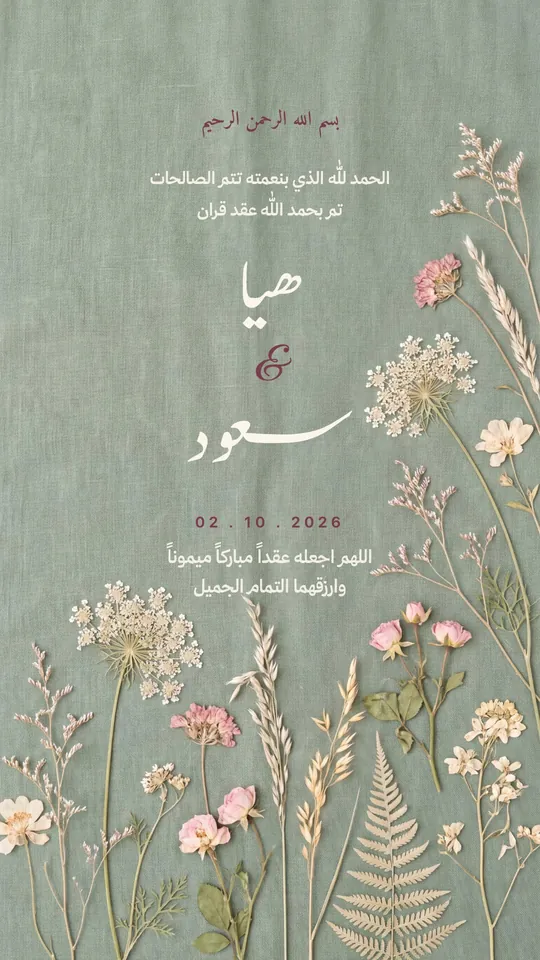
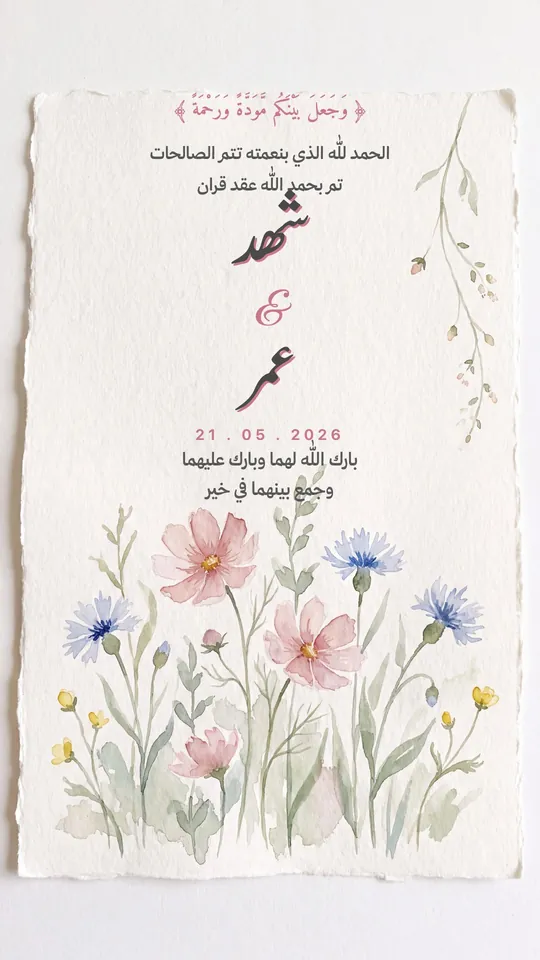
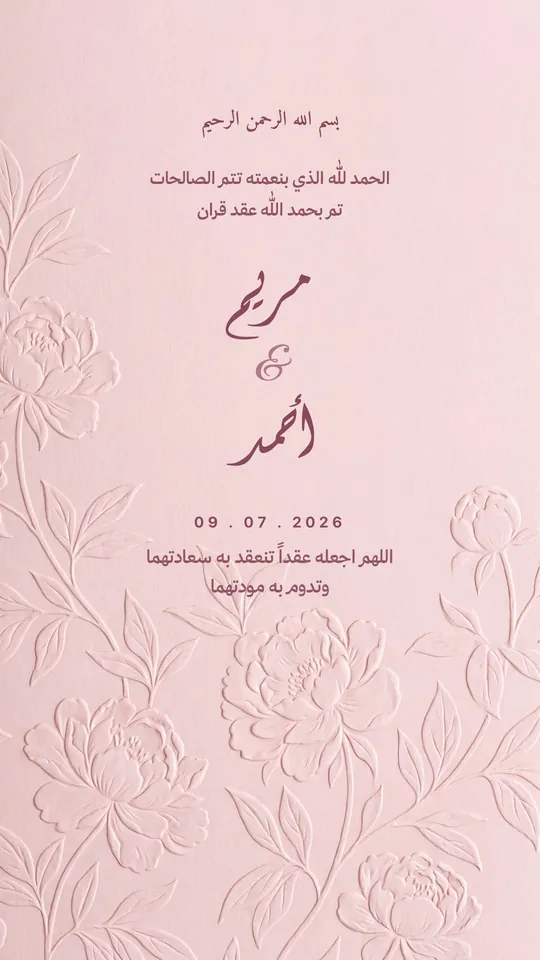
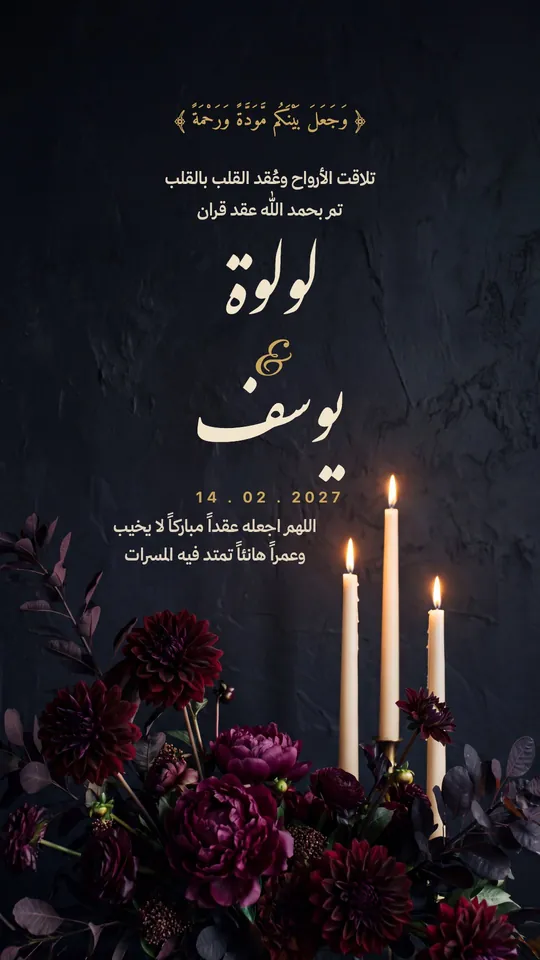
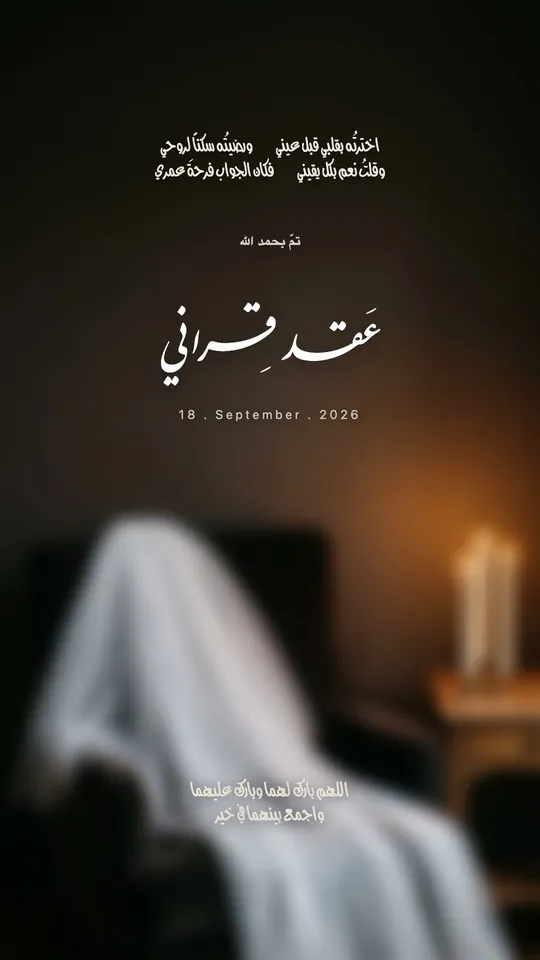
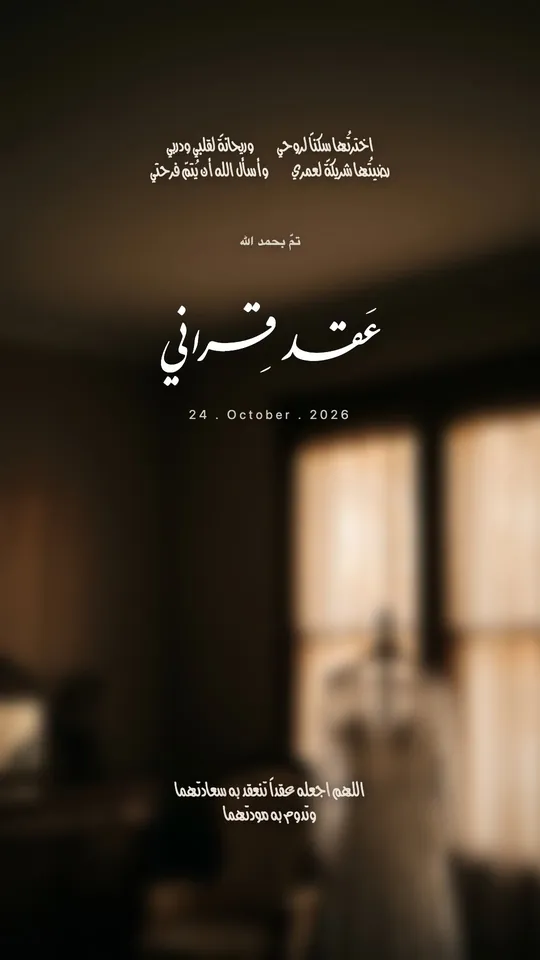
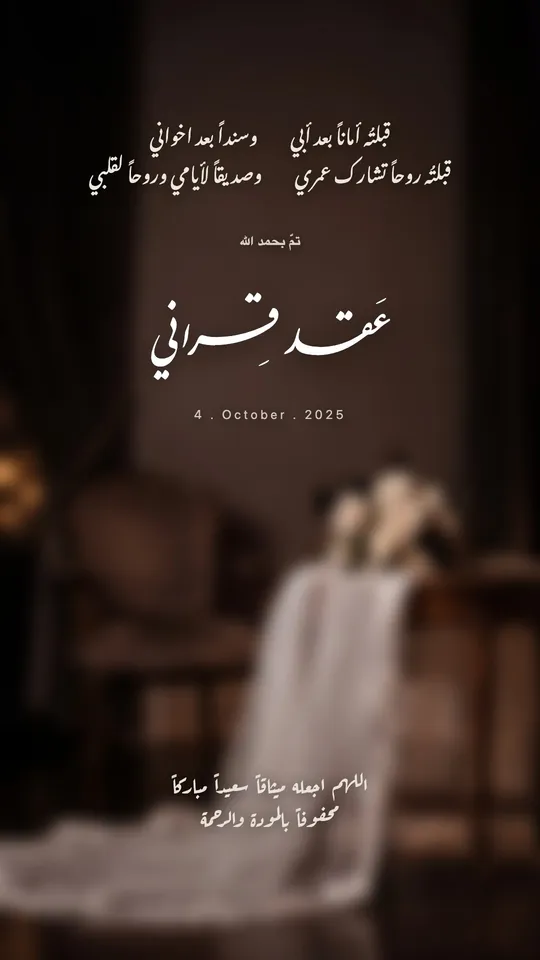
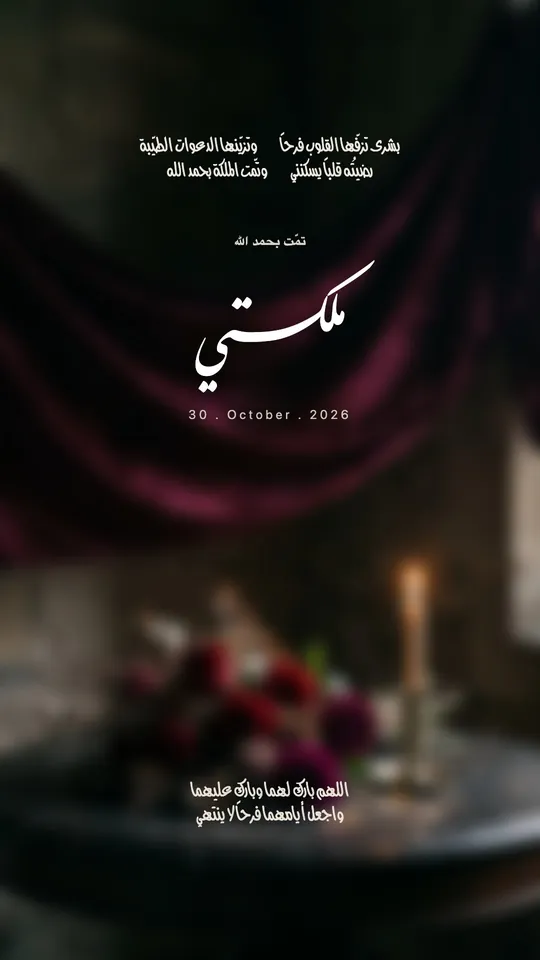
Diwani is the most popular choice for the couple's names on wedding and nikah invitations, and it suits certificates and thank-you cards.
Browse every Diwani font, and read the article on “aqd qiran” in Arabic calligraphy.
Kufic
Kufic is among the oldest Arabic scripts to reach us. It is named after the city of Kufa, and the earliest centuries' Qurans were written in it. Its letters are straight with sharp angles, and it has many styles, among them foliated, plaited, and square Kufic, drawn on a grid like a mosaic. Today it is the script of logos, brands, and bold headlines.
Browse every Kufic font.
Nastaliq (the Persian script)
The name Nastaliq joins “Naskh” and “Ta'liq.” It arose in Iran around the fourteenth century and is known in the Arab East as the “Persian script.” Its slanted letters descend from right to left, with a lightness and grace that suit poetry, quotes, and calm invitations. Urdu is still written in it in Pakistan and India.
Browse every Nastaliq font.
Maghribi
Maghribi is the script of North Africa and Andalusia, where it developed apart from the scripts of the East. Its curves are wide and its letter tails long; one of its marks is that fa takes a single dot below and qaf a single dot above. Mushafs in the Warsh reading are still written in it across North and West Africa.
Modern Arabic fonts
Modern fonts were designed for screens and everyday print, taking the skeleton of Naskh or Kufic without the calligrapher's ornament. They are the fonts of websites, apps, brands, and social media posts, and many come in weights from thin to black.
Browse modern Arabic fonts, and read the article on free Arabic fonts to see which ones you may use commercially.
How to choose the right script for your design
- Start with the occasion: Thuluth or Diwani for formal events and weddings, Naskh for verses and prayers, Ruqaa or Nastaliq for light phrases, and a modern font for everyday content and ads.
- Use two fonts at most: a calligraphic one for the headline and a clear Naskh or modern one for details such as the date and place.
- Test it on a phone screen: Diwani Jali and stacked Thuluth are beautiful but hard to read when small.
- Stretch at the right place: kashida highlights a word and fills a line, but where it goes differs from script to script, and kashida in Tiraz is tested for every font.
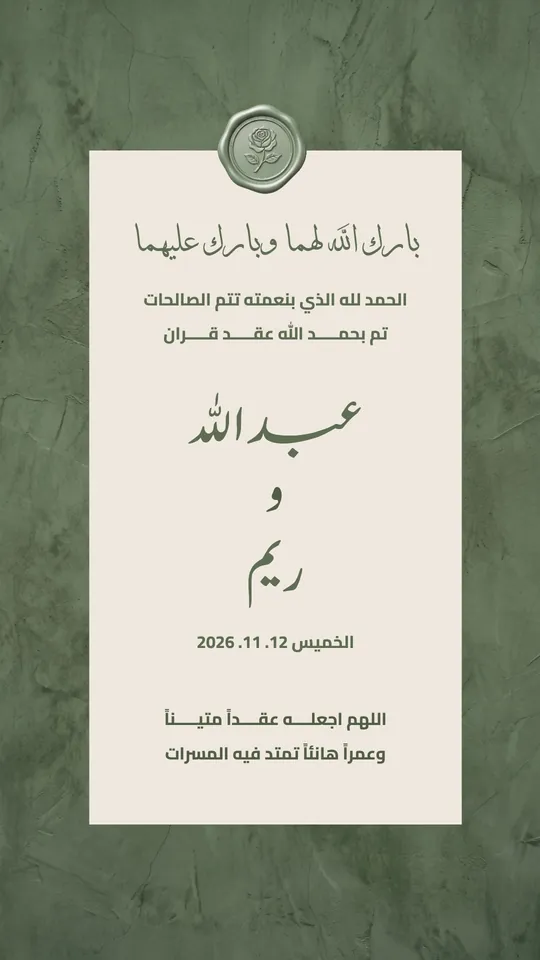
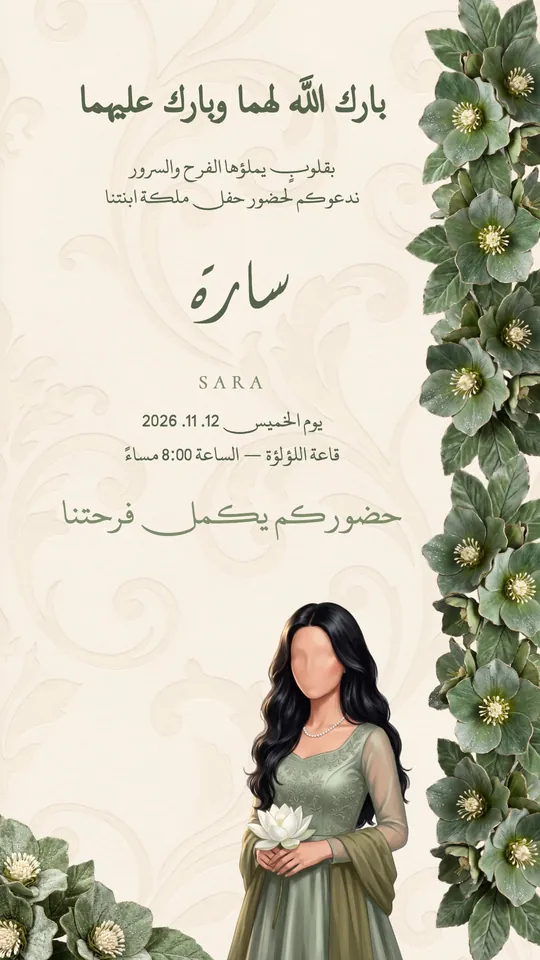
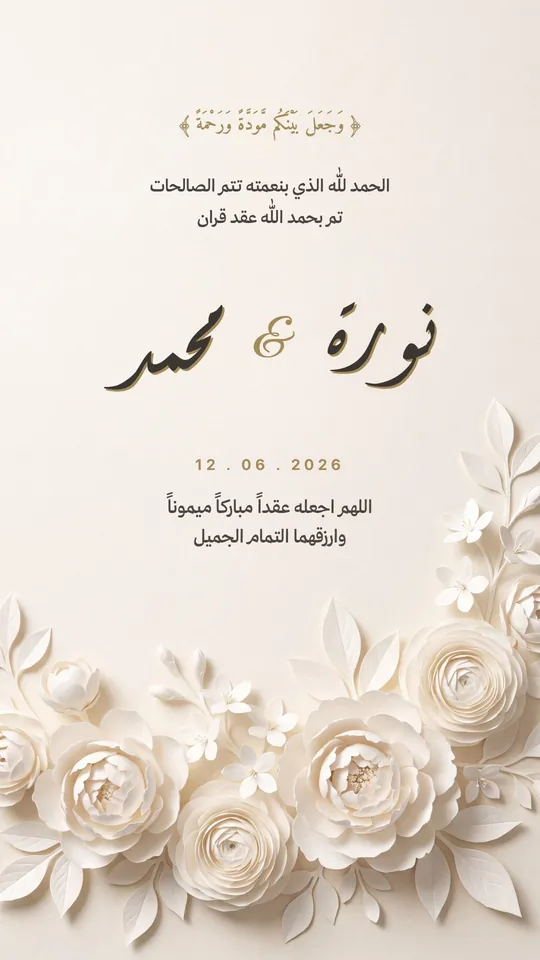
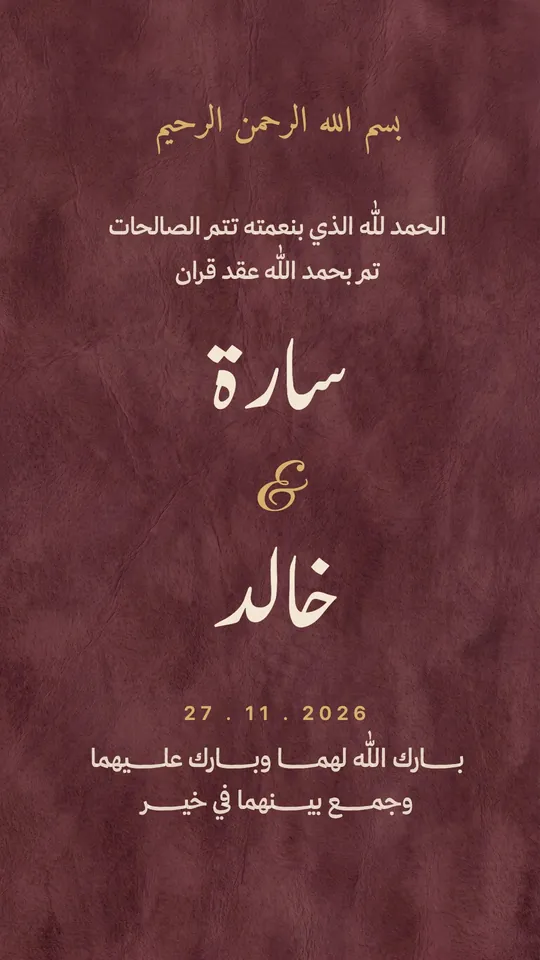
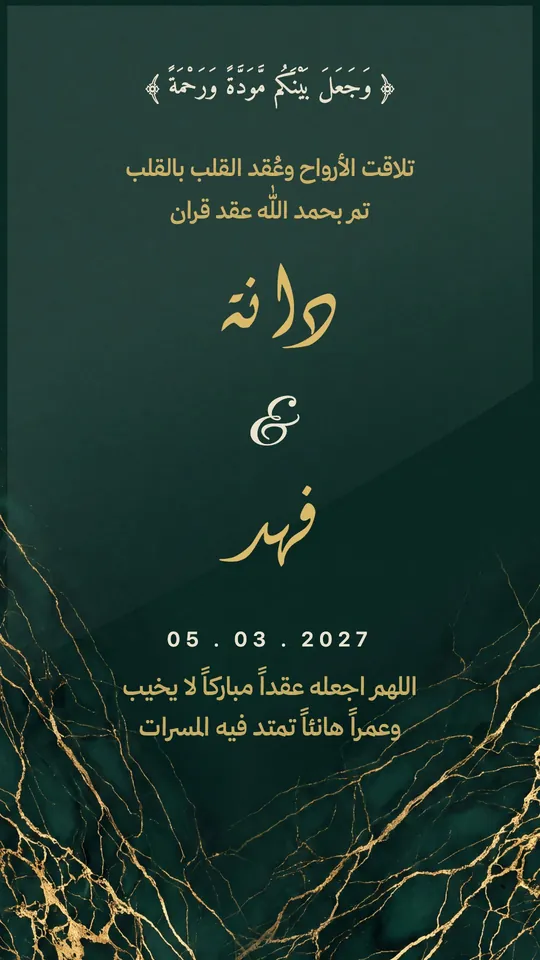
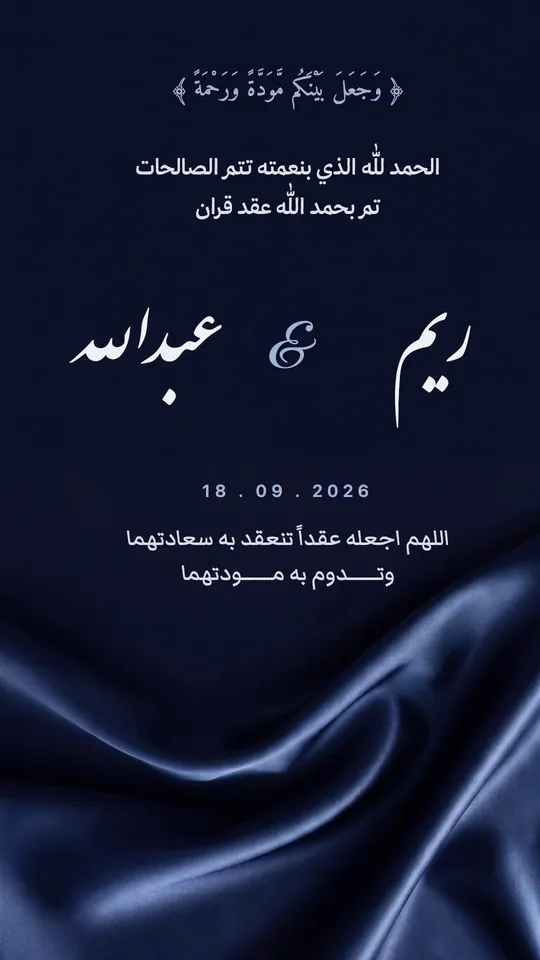
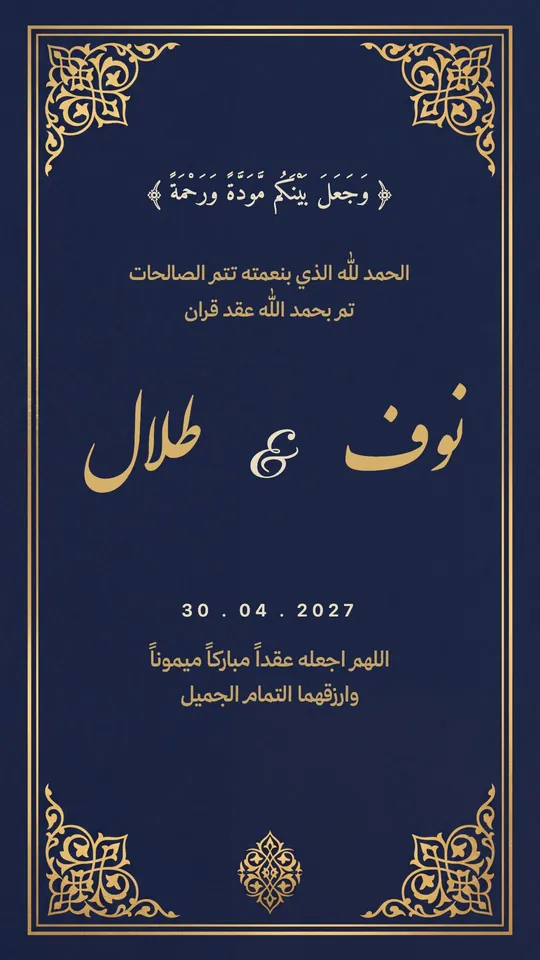
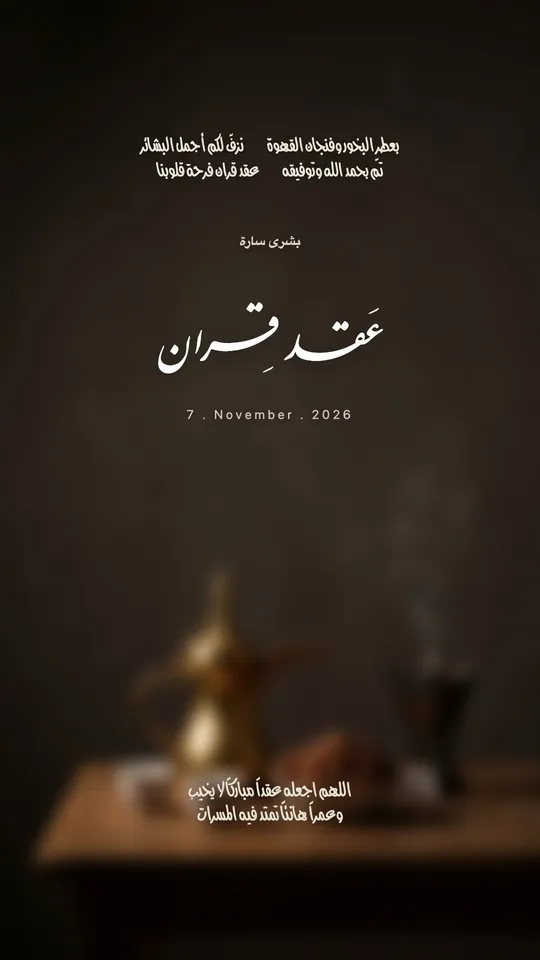
Tiraz templates put these rules to work: a calligraphic headline, names in Diwani, and details in a clear font. Open any template and change its font in one tap to see the difference, or browse every font.
 Open Template →
 Open Template →
 Open Template →
 Open Template →
 Open Template →
 Open Template →
 Open Template →
 Open Template →
 Open Template →
 Open Template →
 Open Template →
 Open Template →
 Open Template →
 Open Template →
 Open Template →
 Open Template →
Open the nikah templates
Download Tiraz from the App Store, then on Home tap the title of the nikah shelf to see all its templates; you can also browse them first in nikah templates. Templates with a crown are part of Tiraz Gold, the rest open for free. Pick the design closest to your taste, since every text and color in it can change afterward.
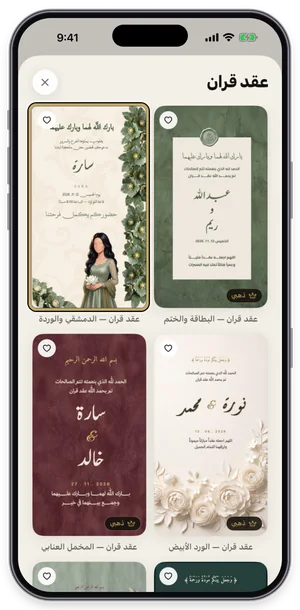
The nikah shelf in Tiraz: tap a template to open it in the editor. Choose the font
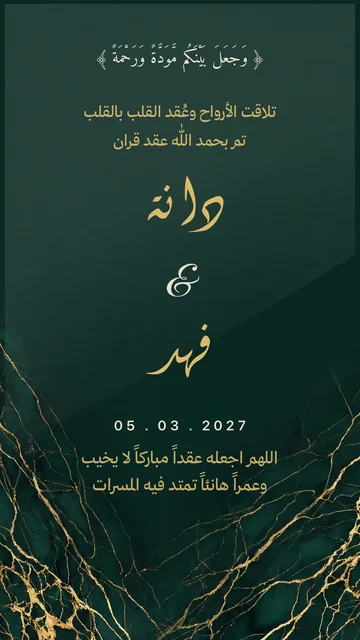
With the text selected, open Fonts, switch to the Diwani tab and try fonts while seeing your own word in each one. Fonts with a crown are part of Tiraz Gold, and a font downloads the first time you use it. Keep to two fonts: a calligraphic one for names and a clear one for details.
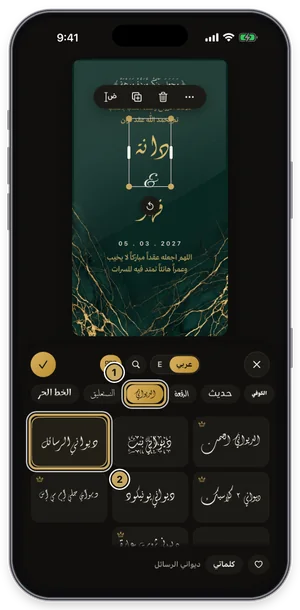
The fonts panel on the Diwani tab: the current font is outlined in gold. Stretch the word like a calligrapher
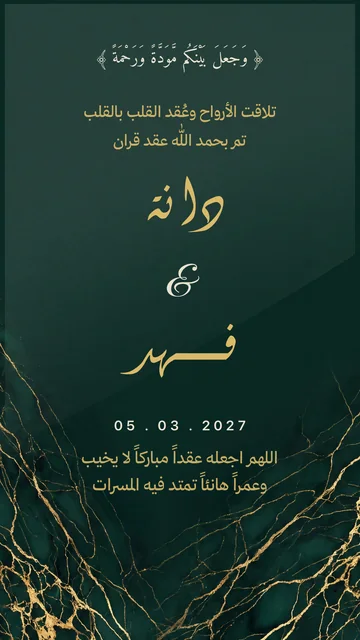
Select the word, open Kashida, turn on automatic kashida, and slide to choose its length. Tiraz places the stretch where it belongs in the word for that font, so letters don't break as they do with a plain tatweel. The short automatic stretch is free; longer stretches and the styles (start, end, spread) are part of Gold, and the Divine Name is never stretched.
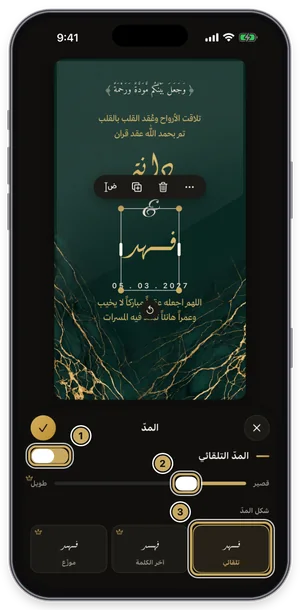
The kashida panel: the length slider, with the kashida styles below.
Common Questions
What are the main types of Arabic script?
What are the Arabic script names in English?
Which Arabic script is the hardest?
Is the Persian script the same as Nastaliq?
Which Arabic fonts come with Word?
Which script should I use for a wedding invitation?
Which Arabic script suits logos best?
More Articles
- Nikah in Arabic Calligraphy: Fonts, Wording, and Design
- Arabic Condolence Messages, Thank-You Wording, and Ready Cards
- Quran Fonts: Hafs and Warsh for Writing Verses
- Arabic Fonts for Photoshop and Adobe, and How to Type Arabic Correctly
- Free Arabic Fonts for Design and Commercial Use
- Arabic New Baby Wishes and Birth Announcement Cards
- Arabic Wedding Invitation Wording and Formal Templates
- Arabic Graduation Wishes and Graduation Party Invitations
- Ramadan and Eid Greetings in Arabic, and Greeting Cards
- An Invitation Design App with Arabic Calligraphy: How to Choose and Design
- Designing a Digital Invitation with a Link and RSVP
- An App for Writing in Arabic Calligraphy on iPhone
- Arabic Fonts on iPhone: What Actually Works
- An Arabic Name Decoration App: Your Name in Ornate Calligraphy
- Designing a Ramadan 2027 Imsakiya
- Designing a Named Greeting Card on Your Phone
- A Canva Alternative for Arabic Design: An Honest Comparison
- All Articles →
Design your next invitation in Tiraz
Gulf-inspired templates, authentic Arabic calligraphy, and print-quality export, right from your phone.